
Taking care of your skin is a fundamental part of any beauty and health routine. However, as with everything, excess can be counterproductive. Sometimes, in the quest to achieve perfect skin, we can make the mistake of overloading our skin with products and treatments that, instead of benefiting it, end up damaging it.
In this article, we’ll explore what happens when you overindulge in certain aspects of skincare and how to find the right balance to maintain a healthy, radiant complexion.
1. Excess acids and retinol: risk of dermatitis
Exfoliating acids such as glycolic, salicylic and lactic acids, along with retinol, are powerful ingredients for improving the texture and appearance of the skin. They help fight aging, spots and acne, but excessive use can have undesirable consequences.

If you use these active ingredients in high concentrations or too frequently, your skin may develop dermatitis, a condition characterized by redness, peeling, irritation and extreme sensitivity. To avoid this:
Introduce these ingredients gradually into your routine.
Start with low concentrations and increase over time.
Alternate its use with moisturizing and soothing products.
Always use sunscreen, as these active ingredients increase sensitivity to the sun.
2. Excess moisturizers: appearance of closed comedones
Moisturizing the skin is essential to maintain its protective barrier, but overusing moisturizers can cause clogged pores and the appearance of closed comedones (pimples that have no outlet and generate internal inflammation).
This happens because the skin has a natural mechanism for regulating hydration. If you apply too many emollient products, it could react by reducing its sebum production or, on the contrary, generating excess oil. To avoid this problem:
Use only the necessary amount of moisturizer.
Choose formulas suitable for your skin type (light ones for oily skin and thicker ones for dry skin).
Do not apply too many layers of products unnecessarily.
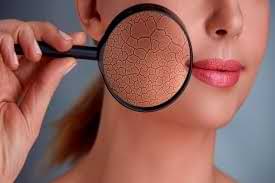
3. Excessive cleansing: damage to the hydrolipidic mantle
Facial cleansing is a fundamental step in any skincare routine, but over-cleansing can break down the hydrolipidic mantle, a natural protective layer that keeps skin hydrated and protected against external aggressors.
If you wash your face too often or use overly harsh cleansers, you may experience:
Extreme dryness.
Sensitivity and redness.
Excessive fat production as a defense mechanism.
For proper balance:
Cleanse your face twice a day (morning and night).
Use mild, sulfate-free cleansers.
Do not rub your skin aggressively.
Moisturize after cleansing to restore the skin barrier.
4. Excessive oil massages: unwanted acne
Facial oils can be great for nourishing and softening skin, but overuse, especially on acne-prone skin, can clog pores and cause breakouts.
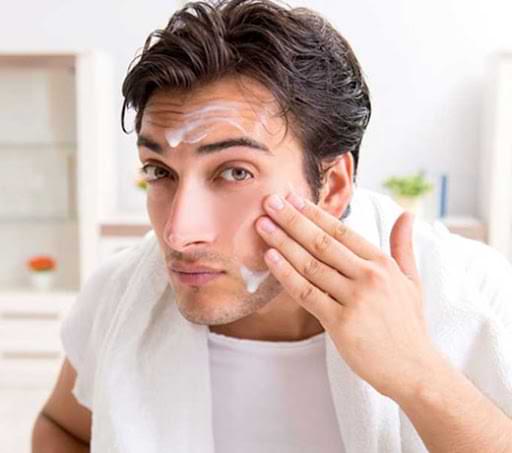
Facial massages with oils can stimulate circulation and brighten the skin, but if you overdo it, you can overload the skin and encourage the proliferation of acne-causing bacteria. To avoid this:
Use oils suitable for your skin type (jojoba and squalane are light, non-comedogenic options).
Don’t over-massage or leave the oil on your skin for too many hours if you’re prone to breakouts.
Apply a moderate amount and see how your skin reacts.
The key: observe and balance
Skin care isn’t about applying as many products as possible, but rather observing how your skin reacts and adjusting your routine accordingly. Every skin is unique, and what works for one person may not be ideal for another.
If you notice signs of irritation, dryness or unusual breakouts, review your routine and reduce the use of certain products. The key to healthy, balanced skin is moderation and consistency.
Remember! Less is more when it comes to skincare. Prioritize quality products and a simple yet effective routine to achieve healthy, radiant skin without any adverse effects.